

The Short Answer
Is a Mobile App or Email Newsletter Better for Reaching Municipal Residents?
Email newsletters work well for regular updates and detailed community news. A municipal communications app is better suited to timely notifications and easy access to services.
On average, about 60% of app users opt in to push notifications. For municipalities, that means most residents who install the app are choosing to hear from you. That is not a small number. That is a direct line.
The strongest approach is to use both, giving residents options for staying informed.
Sending an update is only half the job. Residents still need to notice it, understand why it matters, and act on it.
Email newsletters play a role in that process, but an app’s push notifications can get even more eyeballs on important notices that might otherwise get buried in an inbox and when staff keep answering questions already covered in recent updates, making those answers easier to find has value. That’s where a municipal communications app can earn its place in your budget.
How Do Mobile Apps and Email Newsletters Compare?
Email newsletters package news into a scheduled read. A municipal communications app gives residents a place to check information whenever they need it, with push notifications drawing attention to updates.
| What Residents Need To Do | Email Newsletter | Municipal App |
|---|---|---|
| Catch up on community news | Bundles updates into a newsletter delivered periodically | Makes news available the instant it’s posted, without waiting for the next newsletter |
| Notice urgent updates | Residents must notice the email, open it, and find the section containing the alert | A dedicated push notification highlights that specific alert directly on residents’ phones |
| Finding information later | May require searching past emails | Provides a consistent place to find current information |
| Register, report, or request | Residents find the email, then follow links to registrations, reporting forms, or services | Residents access registrations, issue reporting, and service requests from the app, potentially saving steps |
| How to get connected | Requires an email subscription | Requires an app download, plus notification permission to receive alerts |
Different residents respond to different channels. Some older residents may be comfortable with email but need help getting started with an app. Some younger residents may rarely open a municipal newsletter but readily check a phone notification.
Age alone won’t tell you someone’s preference, so offering both gives more residents a way to stay connected that suits them.
When Is an Email Newsletter the Better Fit?
Email newsletters work well when residents need context rather than an immediate heads-up. A budget breakdown or an explanation of a council decision deserves more space than a phone notification.
A newsletter can bring those stories together in a familiar format that subscribers can read on their own time. It also reaches subscribers without asking them to download anything new. If your newsletter has an engaged readership, keep building on it. An app should give residents another useful way to connect, without replacing something that’s already working.

When Does a Municipal Communications App Make Sense?
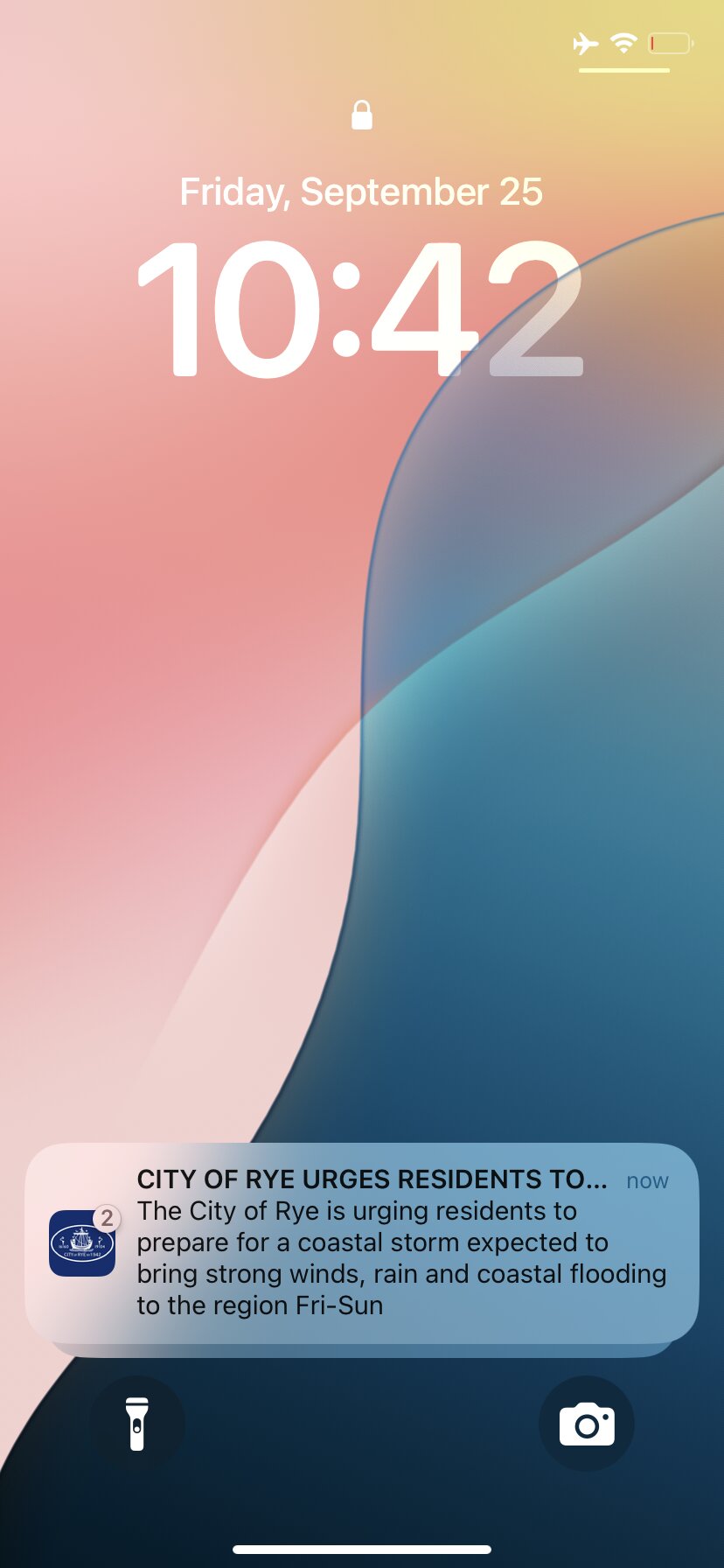
A municipal communications app makes sense when residents need frequent updates and a straightforward way to act on them.
A public consultation, for example, could combine a push notification about the deadline with access to the proposal and feedback form.
The value goes beyond getting a message seen. It’s helping residents take the next step while you have their attention.
When comparing civic engagement tools, look for features that support that connection, such as surveys, event registrations, and service requests. Choose them around what your residents actually need to do.
How Can Municipal Teams Manage Both Channels?
Give each channel a clear job: use newsletters for roundups and explanations, and the app for timely notices and ongoing access to services. Keep notifications selective so residents have a reason to pay attention.
Before adding an app, check how it fits your team’s workload. Can it pull news from your website? Who publishes alerts and keeps service information current? Info Grove’s municipal app buyer’s guide covers content management, staff training, and support to help you assess what running an app will involve.
FAQs About Municipal Apps and Email Newsletters
Q: Can a municipal app replace an email newsletter?
A: It can, but keeping both gives residents more choice. Use readership data and resident feedback to guide that decision.
Q: Will every app user receive push notifications?
A: No. Residents must enable notifications, and device settings can affect delivery. Urgent information should also appear through other municipal channels.
Q: How can municipalities assess whether an app is worth the investment before building one?
A: Start with gaps you can document, such as low newsletter engagement or recurring calls about information already available online. Ask residents which app features they would use, then compare setup and ongoing costs against realistic benefits, such as fewer routine enquiries or easier service access. Check out case studies from similar municipalities to help test those expectations.

Conclusion: Give Residents More Ways to Stay Connected
Keep the newsletter that residents value, and look at where an app could fill the gaps. Better city resident communication starts with making information easier to notice, find, and use.
Contact Info Grove to discuss how a municipal communications app could fit your community’s needs and your team’s budget.
Mobile App vs. Email Newsletter: What’s the Better Channel for Reaching Municipal Residents?
Share This Article